
Meeting potential partners online has never been more accessible, but digital convenience comes with a necessary responsibility: safeguarding your personal boundaries and privacy. While the vast majority of singles on dating apps are genuinely searching for companionship, modern platforms inevitably attract bad actors ranging from opportunistic catfish to sophisticated financial scammers.
Staying safe in digital dating does not require cynicism or paranoia. It simply requires healthy digital literacy and a refusal to ignore basic inconsistencies. By understanding the operational playbooks of deceptive profiles and practicing simple verification habits, you can date freely while keeping your emotional and physical well-being completely protected.
1. The Architecture of a Fake Profile: Subtle Visual Clues
Deceptive accounts often display distinct aesthetic patterns if you look past the initial visual appeal:
- The Editorial Catalog Gallery: If a profile contains four photos that look like professional luxury fashion catalog shoots with zero candid moments, group photos, or casual everyday settings, be cautious. Genuine daters have messy, unposed snapshots in their mix.
- Missing Bio Depth and Hyper-Generic Prompts: Scammers operate dozens of accounts simultaneously. Their bios rarely reference specific local neighborhoods, obscure personal hobbies, or genuine local quirks. They rely on universal platitudes like "Loving life and seeking honesty."
- Geographic Inconsistencies: They claim to live in your city, yet when asked about local landmarks, popular neighborhood streets, or daily transit, their replies are surprisingly vague or delayed.
2. The Behavioral Red Flags of a Scammer
Visual clues are helpful, but conversational behavior is the ultimate giveaway. Watch for these distinct tactical maneuvers:
- The Immediate Platform Jump: Within three messages, they insist on moving the conversation off the dating app to an encrypted messaging platform or private email: "I rarely check this app, text me on WhatsApp instead." Scammers do this to evade automated detection algorithms before their fake accounts get banned.
- Premature Romantic Declarations: They proclaim intense feelings, soulmate status, or future marriage plans within days of chatting. Fabricating an emotional bond early lowers your natural skepticism.
- The Broken Camera Excuse: They eagerly text all day, but when you suggest a 60-second video call or voice note, they invent endless technological emergencies: poor connection, broken camera lenses, or strict job restrictions.

3. The Golden 3-Step Verification Protocol
Before investing emotional energy into someone you met online, run through this simple, low-effort verification checklist:
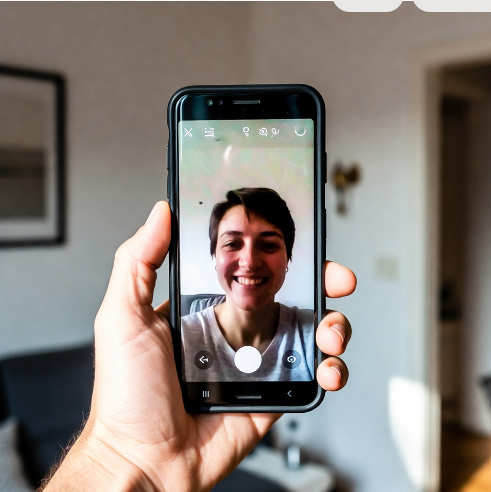
- The 60-Second Video Vibe Check: Before scheduling an in-person date, casually propose a two-minute FaceTime or in-app video chat: "Hey, I always love putting a live voice to the profile before grabbing drinks—let's do a quick two-minute video hello tonight!" A real person with nothing to hide will gladly say yes. An imposter will immediately deflect.
- Reverse Image Search: If a profile looks suspiciously polished, take a screenshot of their primary photo and upload it into Google Lens or TinEye. If the photo traces back to a fitness model in another country or a stock library, unmatch immediately.
- Zero Financial Entanglement: Never, under any circumstance, send money, gift cards, travel funds, or cryptocurrency advice to someone you have never spent hours with in the physical world. Legitimate dates never ask for financial assistance.
4. In-Person Safety: Meeting in the Real World
Once you verify that your match is authentic, keep your first in-person encounter structured for comfort and personal agency:
- Always choose a busy, well-lit public space with plenty of foot traffic.
- Arrange your own transportation to and from the venue.
- Share your live location with a trusted friend and schedule a check-in text.
- Keep your personal belongings and drinks in sight throughout the evening.
Frequently Asked Questions
What should I do if I suspect someone is catfishing me?
Do not confront them or attempt to play detective. Screenshot suspicious messages if needed for safety reporting, immediately report their profile to the platform's moderation team, and block all communication channels.
Is it rude to ask for a video call before meeting up?
Not at all. In modern dating etiquette, asking for a brief video call is recognized as a responsible safety habit that respects both people's time and physical security. Anyone who takes offense to this reasonable boundary is not someone you want to date.



Comments (0)
Community DiscussionJoin the Conversation
Be the first to leave a comment on this story!