
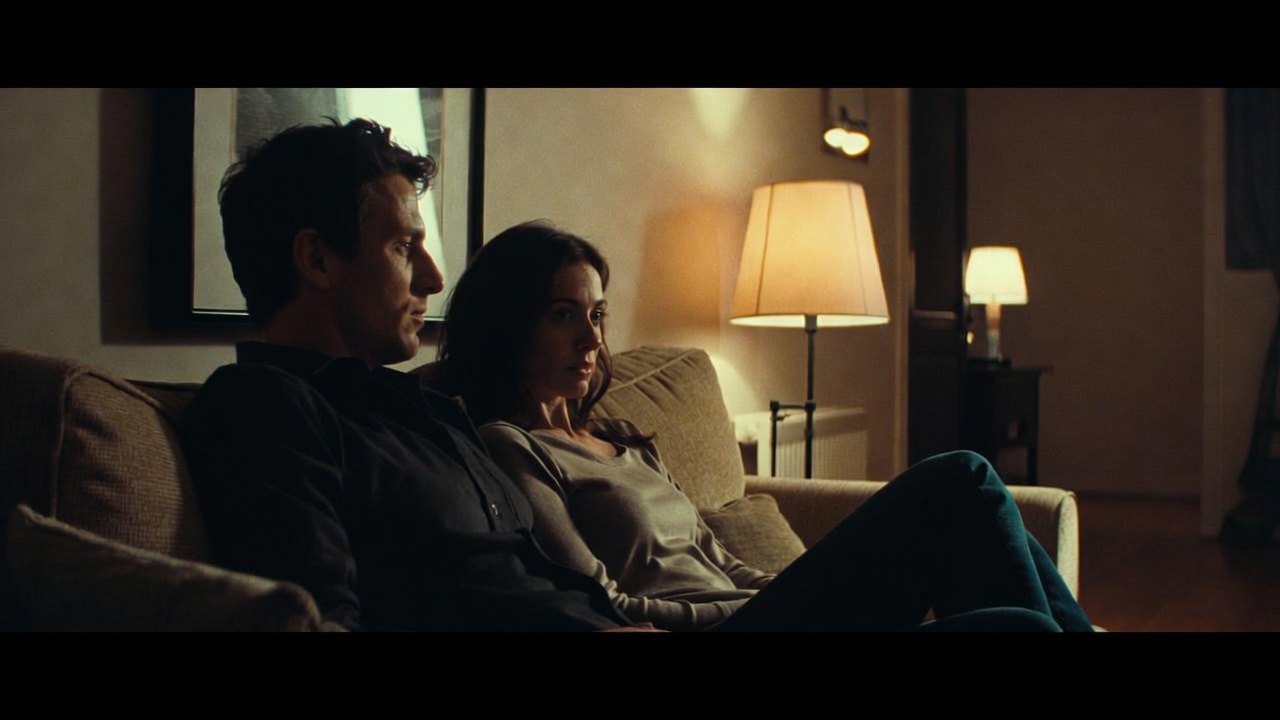
Relationship research shows that long-term compatibility is not determined by whether a couple fights, but by how they fight. Emotional safety is tested not when times are easy, but during moments of high tension, frustration, and divergent opinions.

The Four Toxic Communication Traps
Psychological studies on marital stability identify four primary behavioral patterns—often referred to as destructive communication habits—that systematically erode trust during a disagreement:
- Criticism: Attacking your partner's core character or personality rather than addressing a specific behavior or situation (e.g., "You never listen, you're completely self-centered.").
- Contempt: Operating from an assumed position of moral superiority through sarcasm, eye-rolling, mockery, or hostile cynicism.
- Defensiveness: Refusing to take accountability, making excuses, or immediately counter-attacking when presented with feedback.
- Stonewalling: Completely shutting down, withdrawing from interaction, and refusing to engage during a tense moment.
1. Shifting From "Me Versus You" to "Us Versus the Problem"
In healthy conflict resolution, couples instinctively reframe their mindset from competitive adversaries to collaborative teammates. When an issue arises, the objective is not to win the argument or prove your partner wrong; the objective is to solve the shared problem while preserving mutual care.
Use "I" statements to express your emotional experience rather than pointing accusing fingers:
- Instead of: "You always leave me hanging with weekend plans."
- Try: "I felt anxious when our weekend schedule wasn't clear, and I'd love for us to plan things earlier."

2. The Art of the Physiological Time-Out
When emotional flooding occurs—meaning your heart rate spikes above 100 beats per minute due to anger or stress—your brain's rational prefrontal cortex goes offline, leaving you in a primal fight-or-flight response. Continuing to argue in this state guarantees hurtful communication.
An emotionally mature couple recognizes flooding and calls a deliberate time-out: "I'm feeling overwhelmed and flooded right now. Can we pause for thirty minutes to cool down, and then revisit this calmly?" Returning to the conversation after regulating your nervous system transforms the entire outcome.
Frequently Asked Questions
Is it normal to go to bed angry?
Yes. The old adage never to go to bed angry is a myth. If it is 2 AM, exhaustion has set in, and both parties are flooded, taking a restorative sleep break and resolving the issue with clear minds the next morning is often much healthier.
What if my partner refuses to communicate during conflicts?
If stonewalling is a chronic, unaddressed pattern, it creates profound emotional isolation. Healthy conflict requires active participation from both people.



Comments (0)
Community DiscussionJoin the Conversation
Be the first to leave a comment on this story!