
Modern dating interactions often feel like an auditory marathon. From the moment two people sit down across from each other at a restaurant booth or a coffee shop, an unspoken pressure takes over: someone must always be speaking. We treat conversational lulls as social emergencies, rushing to fill every micro-second of quiet with nervous laughter, trivia, or abrupt topic changes. This relentless drive to keep words flowing is usually fueled by a fear of awkwardness or a subconscious worry that silence means boredom.
In relationship psychology, however, this constant vocal chatter can actually hinder genuine connection. When we race to eliminate every pause, we deny both ourselves and our date the cognitive space required to process emotions, reflect thoughtfully, and respond with authenticity. Learning to embrace the open-ended pause is one of the most powerful communication skills you can develop in contemporary romance.
The Discomfort of the Unfilled Gap
When you view a conversation as a performance where silence equals failure, your nervous system remains in a state of low-grade stress. You find yourself mentally drafting your next three sentences while your date is still halfway through their current thought, completely missing the emotional nuance of what they are actually saying.
Introducing intentional, unhurried pauses changes the entire energy of the dynamic. A calm pause communicates grounded confidence. It signals that you are comfortable in your own skin and that you value deliberate reflection over reactionary small talk. For both you and your match, dropping the burden of constant performance creates an immediate sense of psychological safety.
Why Speed Kills Vulnerability
When dialogue moves at a breathless, interview-style pace, both people instinctively stay on the surface. Rapid-fire exchanges leave no room for emotional resonance. Slowing down the tempo allows humor to land, sincerity to register, and genuine curiosity to flourish.
1. The Difference Between Awkward Silence and Reflective Space
Not all quiet moments are created equal. Understanding the distinction between tense hesitation and comfortable space is essential for mastering conversational pacing:
- Awkward Silence: Characterized by defensive body language, averted eyes, and a frantic internal search for anything to say. It usually stems from a mismatch in conversational rhythm or a lack of engagement.
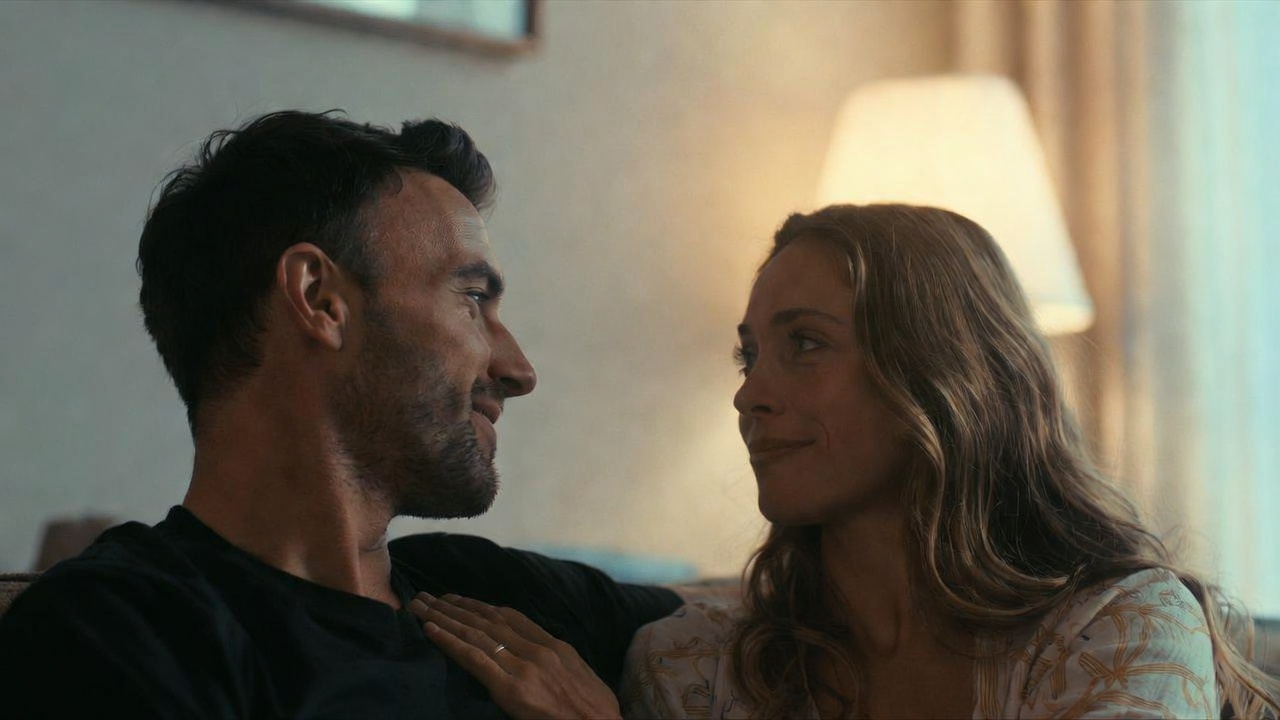
- Reflective Space: Marked by relaxed posture, warm eye contact, and a shared acknowledgment that a profound or humorous thought is being processed. It feels peaceful rather than pressurized.
When you shift your internal label for silence from "awkward gap" to "reflective space," your physical reaction transforms. Instead of tightening up, you can simply take a gentle breath, sip your drink, and let the moment breathe.
2. How Pauses Invite Deeper Vulnerability
People rarely share their most meaningful stories, nuanced perspectives, or genuine vulnerabilities when they are being rushed through a rapid-fire interview. Emotional depth requires time to surface.
By holding a comfortable silence instead of immediately jumping in after your date finishes answering a question, you give them an unspoken invitation to elaborate further. Often, people will start with a polite, surface-level answer, but if you hold space, they will follow up with the real, unscripted truth: "Actually, on second thought, what I really meant was..."
3. Cultivating Conversational Pacing in Practice
Mastering the pause does not require dramatic changes; it starts with micro-adjustments in how you structure your daily exchanges:
- Count to Two Internally: When your match finishes speaking, silently count to two before offering your reply. You will be amazed at how short this duration actually is, and how much calmer it makes you look.
- Use Non-Verbal Warmth: During a quiet moment, maintain soft eye contact, offer an encouraging nod, or offer a warm smile. Non-verbal cues assure your date that the silence is friendly, not cold.
- Let Go of Filler Words: Notice how often you rely on filler words like "um," "like," or "right?" to bridge small gaps. Practice letting those gaps stand completely empty.
The Body Language of Comfort
Your physical posture dictates how silence is interpreted. If you cross your arms and look away during a pause, it reads as rejection. If you lean back slightly, maintain a soft posture, and relax your shoulders, silence reads as ease and confidence.

Frequently Asked Questions
Won't a long silence make my date think I'm uninterested or bored?
Not if your body language remains warm and engaged. Leaning in slightly, smiling, and maintaining soft eye contact communicates active listening and calm interest far more effectively than frantic talking.
What should I do if a silence genuinely feels awkward or tense?
Acknowledge it with lighthearted humor: "That's a big question, my brain is officially buffering for a second!" A playful comment instantly defuses tension and resets the mood.
Is conversational pacing more important on a first date or in an established relationship?
It is vital across all stages. While first dates benefit from reduced performance pressure, long-term partnerships thrive when partners are comfortable sitting together in complete silence without needing constant entertainment.


Comments (0)
Community DiscussionJoin the Conversation
Be the first to leave a comment on this story!